
On this page
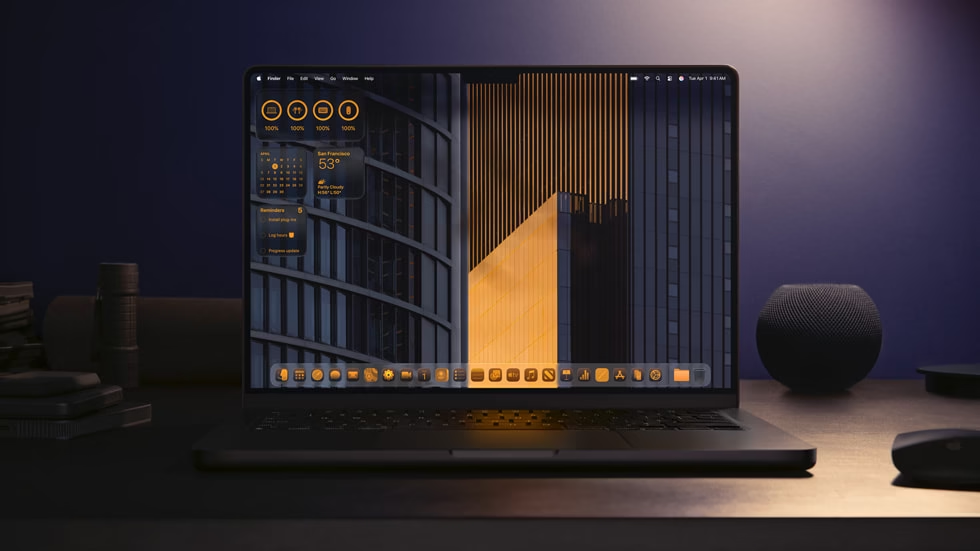
Image: Apple
Updated 18 Nov 2026: macOS 27 is out and runs only on Apple silicon, so this post now says what happened after June 2025. It also corrects one claim from that version: Apple Intelligence needs a Mac with M1 or later, so a Hackintosh never got it.
Yes, as far as new versions of macOS go. macOS Tahoe 26 is the last macOS a Hackintosh can install. At WWDC25 in June 2025, Apple said that “macOS Tahoe will be the final release for Intel Macs”, and macOS 27 Golden Gate, released on 14 Sep 2026, runs only on Macs with Apple silicon. A Tahoe Hackintosh keeps working, and Apple still ships security updates for Tahoe (26.7.3 came out on 9 Nov 2026).
Apple gave the news in the same week it unveiled macOS Tahoe, and for the Hackintosh community it was a bombshell that will echo for years. It marked the official beginning of the end for the traditional Hackintosh as we’ve known and loved it for nearly two decades.
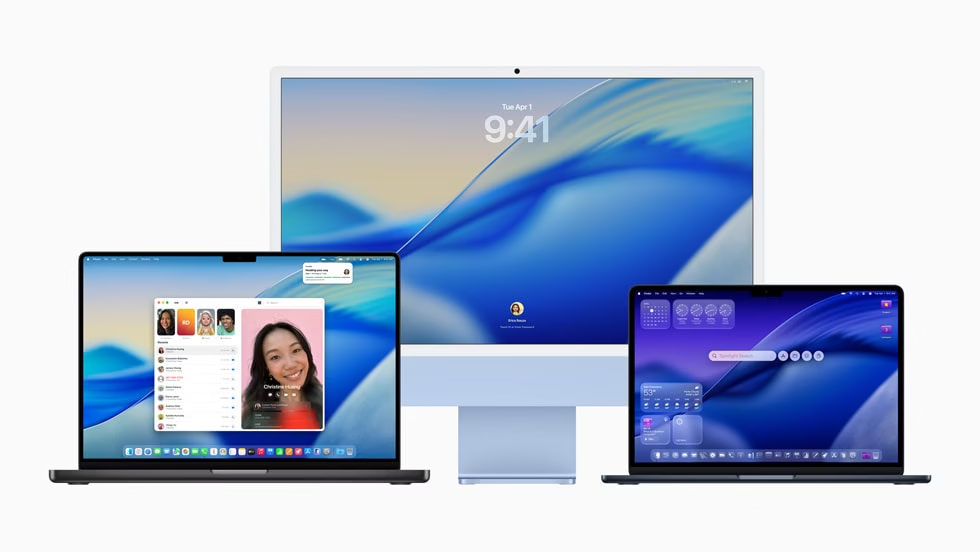
While Apple showcased a beautiful new “Liquid Glass” design and a suite of impressive features, a somber reality sat under every announcement. These were the last new tricks our custom-built machines would ever officially learn from Cupertino.
This article looks at that final chapter and at what comes next for a community built on defying limits. If you’re new here, start with what a Hackintosh is and how it works.
A Bittersweet Final Update: The Last New Features for Intel
Let’s start with what macOS Tahoe brings to the table, as these features will define the pinnacle of the Intel Hackintosh experience.
- “Liquid Glass” Design: A beautiful, translucent new UI that offers a final coat of modern paint.
- Dedicated Phone App & Live Activities: The last major step in integrating the iPhone with our Intel-based desktops.
- Upgraded Spotlight & Customization: A more powerful search and more user control over the look and feel of the OS.
- Apple Intelligence & Gaming: Tahoe brings the new Games app. Apple Intelligence needs a Mac with M1 or later, so Intel Macs don’t get it, and neither does a Hackintosh.
These are excellent features, but they must be viewed through a new lens: they are the features that will solidify macOS Tahoe as the long-term, feature-complete OS for the community.
The End of Intel Support: Why This Is The Final Chapter
For years, the community has overcome every obstacle. So why is this different?
macOS 27 Golden Gate came out on 14 Sep 2026, and Apple’s compatibility list for it has only Macs with Apple silicon, Apple’s own ARM-based chips. At WWDC26 Apple repeated that “macOS Tahoe was the final release to support Intel Macs” and said the move to Apple silicon is complete. Apple has dropped older Macs from new releases before, as with the Macs not eligible for Catalina. This time no Intel Mac is left on the list.
Unlike the transition from PowerPC to Intel, emulating the modern Apple Silicon ARM instruction set on our x86 (Intel/AMD) hardware with any usable performance is a monumental, if not impossible, task for a full desktop OS. There will be no simple patches or kernel tricks. The fundamental building blocks of the operating system will no longer be compatible with the hardware we use.
This means macOS Tahoe is not a hurdle; it’s the finish line.
The “Sunset” Period: Making the Most of Our Final Version
So, is building a Hackintosh in 2026 pointless? Absolutely not. In fact, it now has a new purpose.
macOS Tahoe is now the community’s “Long-Term Support” (LTS) release, the most refined, stable and feature-rich version of macOS we can run. Apple still ships security updates for it. On 9 Nov 2026 it released Tahoe 26.7.3, along with Sequoia 15.8.3 for the version before it. Apple hasn’t said when Tahoe’s updates will stop.
The goal now shifts from “how do we get the next OS running?” to “how do we perfect the macOS Tahoe Hackintosh?”
- Build with Confidence: You can now choose parts that work with Tahoe, knowing it is the final target. Our Hackintosh compatibility guide covers the CPUs, GPUs, motherboards and Wi-Fi cards for that final machine, and our Broadcom Wi-Fi guide explains which Broadcom cards still work on Tahoe.
- Create a Stable Setup: This is the time to create a rock-solid, reliable system. Consider a dual-boot setup using our Hackintosh Dual Boot Guide to keep a stable macOS Tahoe installation alongside Windows or Linux for years to come.
What is the Future? Life After Hackintosh
This news forces us to look ahead. If you’re a tinkerer at heart, your journey doesn’t end here; it just changes direction.
- The Rise of Linux: For many, Linux is the natural successor. You retain full control over your hardware, enjoy endless customization, and can even use tools to make your desktop environment look and feel remarkably like macOS.
- Windows as the Default: For gaming and mainstream applications, Windows remains the standard for PC hardware, and its feature set continues to improve. Our guide to optimising Windows 10 for gaming has tweaks for that.
- Finally Buying a Mac: For some, the end of this journey may signal that it’s finally time to buy an Apple Silicon Mac. The performance is undeniable, and it’s a hassle-free way to stay in the Apple ecosystem. Apple’s macOS 27 list goes back to the first M1 Macs from 2020, so even an older Apple silicon Mac runs the current macOS.
- A New Frontier? (ARM PCs): Could macOS be made to run on non-Apple ARM hardware, like PCs with Snapdragon chips? This is highly speculative and would be a completely new, incredibly difficult challenge, distinct from the x86 Hackintoshing we know.
Key Questions for a Community in Transition
- Is Hackintosh officially dead?
- For new versions of macOS, yes. macOS 27 runs only on Apple silicon, so Tahoe 26 is the last macOS a Hackintosh can install. Existing builds keep working. We asked the same question before macOS 15 came out, and that time Intel Macs got macOS 15 and then Tahoe.
- What is the last version of macOS for Intel?
- macOS Tahoe (version 26), which Apple called “the final release for Intel Macs”. Its newest update as of November 2026 is 26.7.3, released on 9 Nov 2026.
- Should I still build a Hackintosh in 2026?
- Yes, if your goal is to create the ultimate, final version of an Intel-based macOS machine and you’re happy to stay on Tahoe. If your goal is to always have the latest OS, then no: that now takes a Mac with Apple silicon.
Conclusion: An End of an Era, and a Thank You
For nearly 20 years, the Hackintosh community has been one of the most vibrant, intelligent, and resilient groups in the tech world. It was a testament to the desire for choice and a passion for pushing boundaries.
macOS Tahoe isn’t a funeral; it’s a final, triumphant roar. It’s the last great project. Let’s work together to make it the most stable, most documented, and best version the community has ever seen.
Thank you to every developer, forum moderator, and user who contributed to this incredible journey. The story is ending, but what a story it has been.
Share your memories and your plans for the future in the comments below. Let’s celebrate this final chapter together.

Comments
No comments yet.
Report